Cash Counting Machine Price in Faisalabad: What Really Affects the Cost
By Cash Counting Machines · · 3 min read
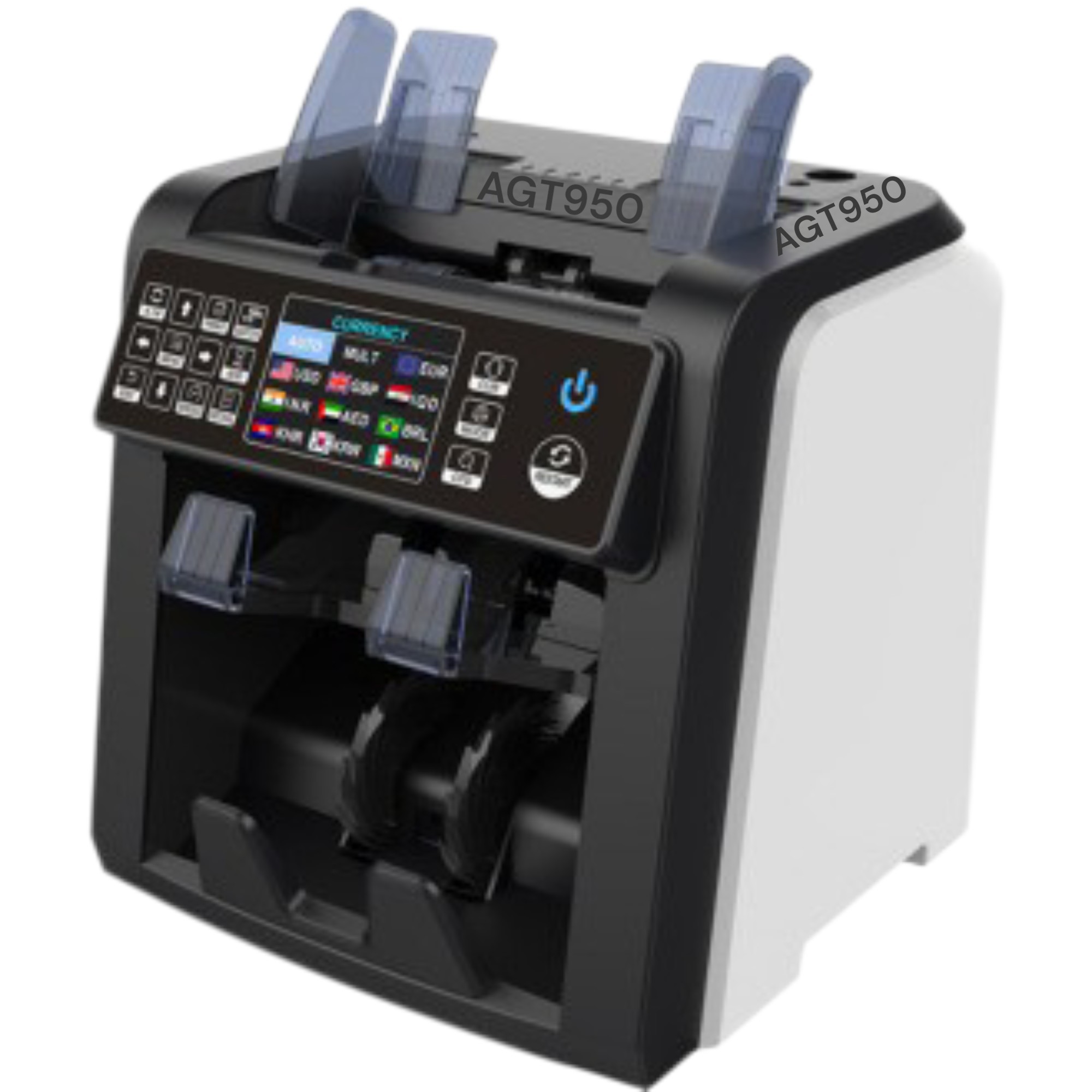
If you have been searching for the cash counting machine price in Faisalabad, you have probably noticed a huge range. Two machines can look almost the same on a shop counter in Kachehri Bazaar, yet one costs several times more than the other. The difference is almost never the plastic case. It is what happens inside the machine: how it detects fake notes, whether it can read the value of each note, and how well it is supported after you buy it.
This guide breaks down the factors that decide the price, so you can compare machines fairly and avoid paying for features you will never use, or worse, buying a cheap machine that lets counterfeit notes through.
1. Type of machine: counter, value counter or sorter
The single biggest factor in price is the type of machine:
- Basic note counters count how many notes are in a bundle. They are the most affordable option and suit small shops that receive notes already sorted by denomination.
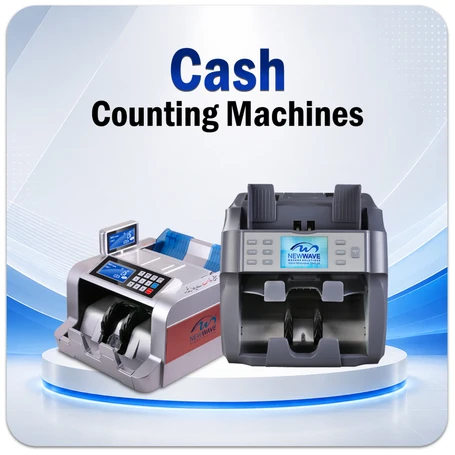
- Mixed value counters read the denomination of every note and give you the total amount, even when Rs 500, Rs 1000 and Rs 5000 notes are mixed together. They use image sensors, which raises the price.
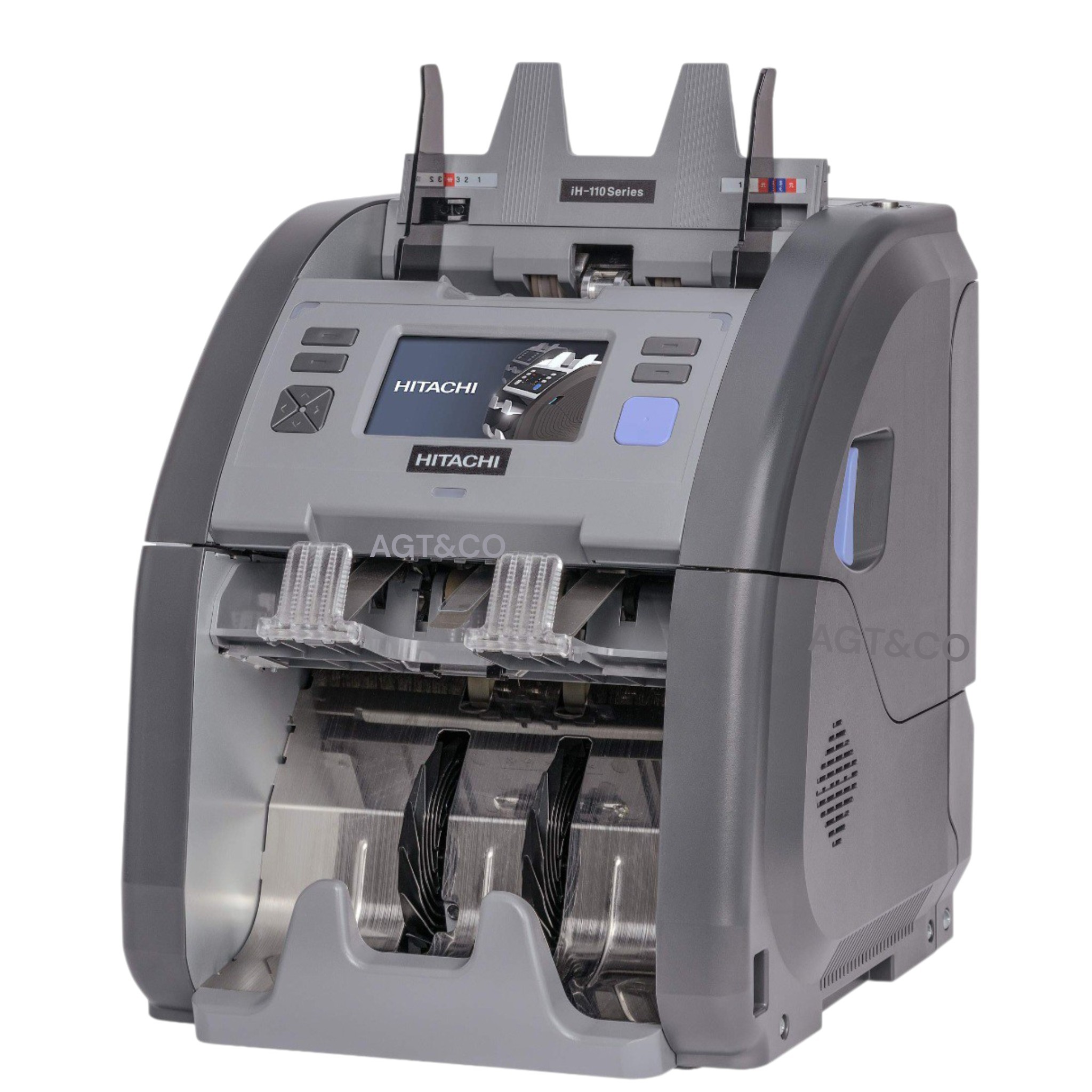
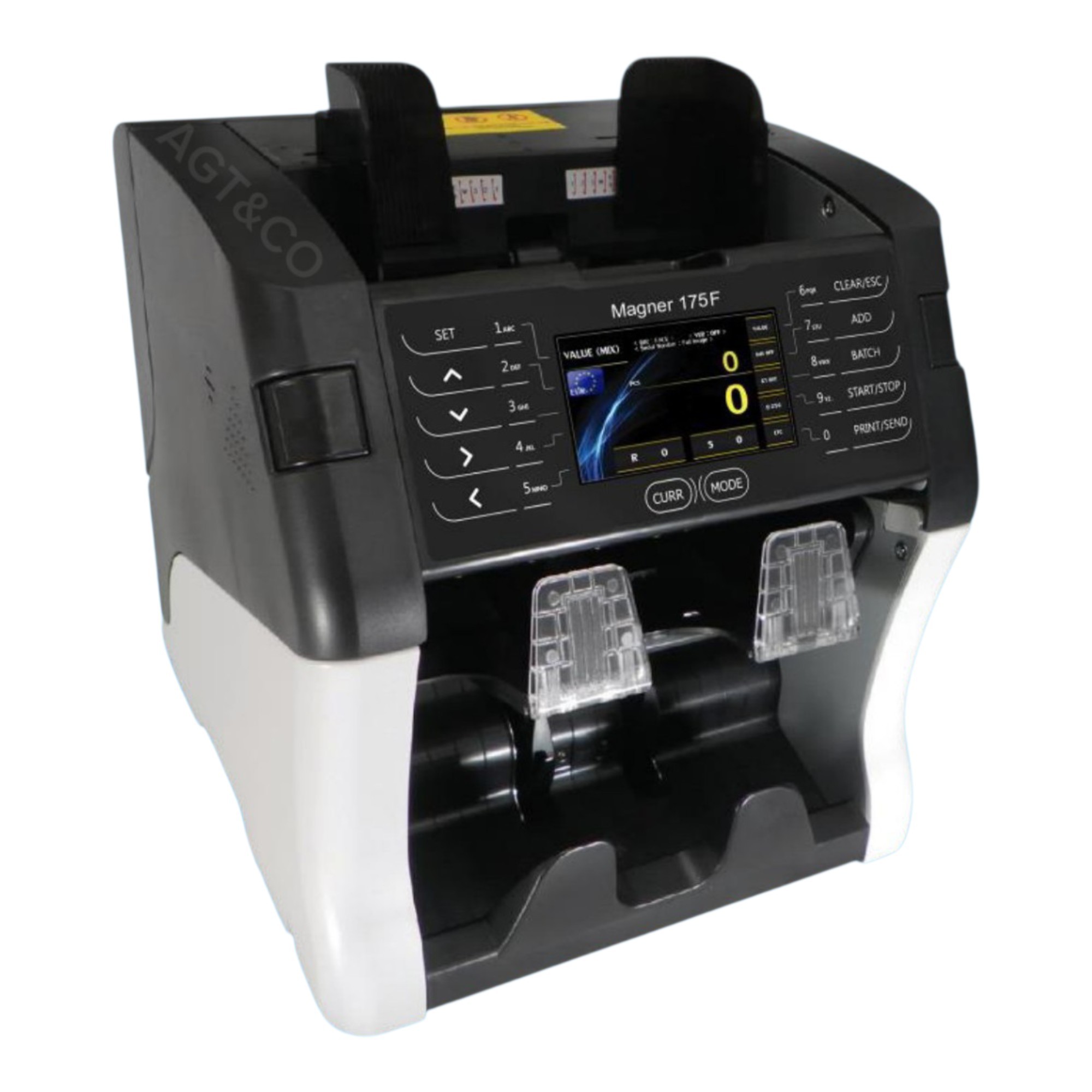
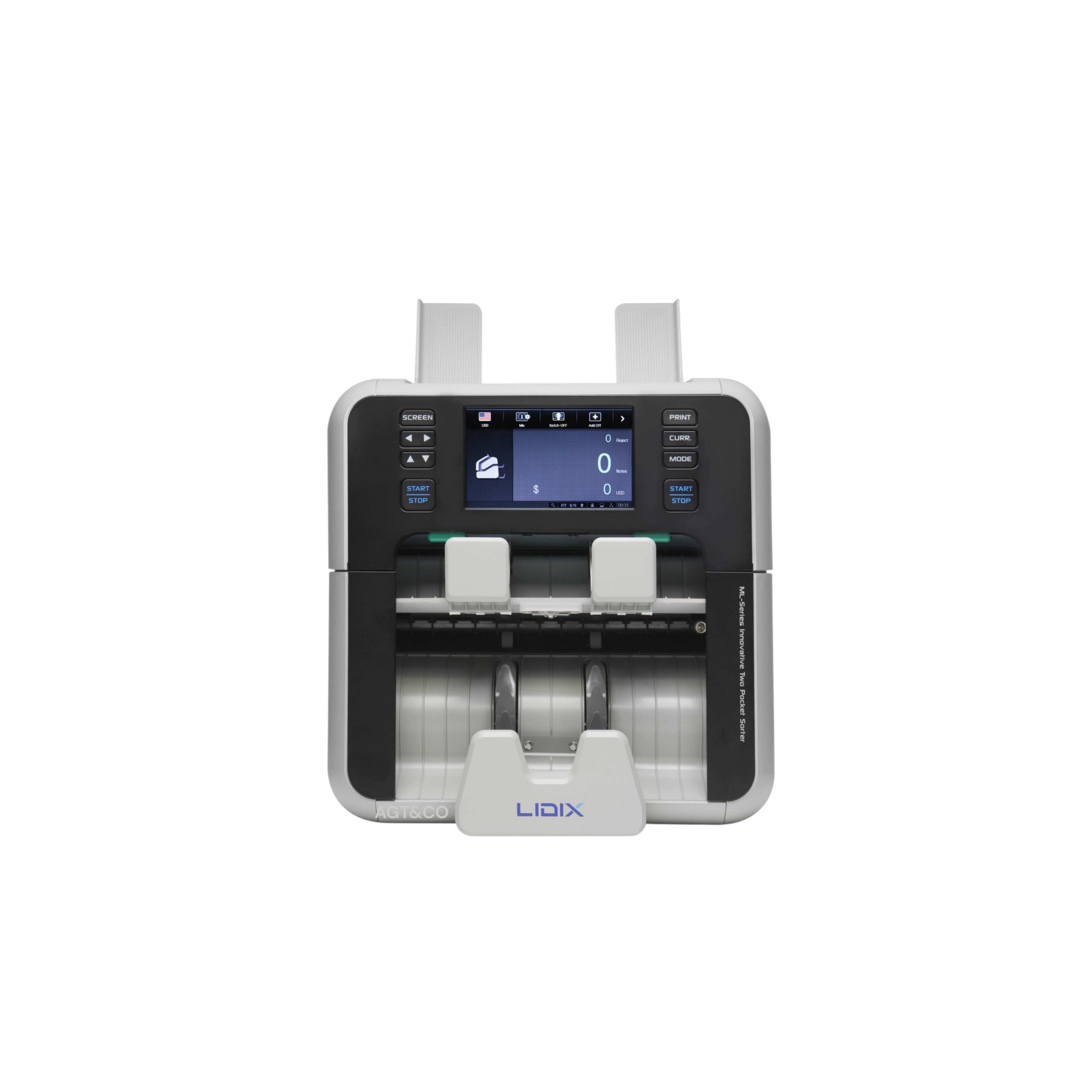
- Two-pocket sorters count, value and separate notes (for example by denomination or fit/unfit) into two output pockets. These are used by banks, cash centres and large businesses and sit at the top of the price range.
Not sure which type you need? Read our guide on mixed value counting machines vs simple note counters.
2. Fake note detection sensors
Counterfeit detection is where cheap and professional machines differ the most. Look at which sensors are included:
- UV (ultraviolet) checks the paper and fluorescent features.
- MG (magnetic) reads the magnetic ink and security thread.
- IR (infrared) checks ink patterns invisible to the eye.
- Image / CIS sensors scan the whole note and compare it with the genuine design. This is the most reliable method and is standard on value counters and sorters.
A machine with only UV detection is cheaper but much easier to fool. For businesses that handle large Rs 5000 and Rs 1000 bundles, multi-sensor detection pays for itself the first time it stops a fake note.
3. Counting speed and hopper capacity
Higher speed and a larger hopper (the tray you load notes into) mean less waiting and fewer reloads. A shop that counts a few bundles a day does not need the same speed as a textile mill paying hundreds of workers in cash. Paying for top speed only makes sense if you will actually use it.
4. Brand, build quality and spare parts
Well-known brands use better rollers, motors and sensors, and their parts are easier to replace years later. In a city like Faisalabad, where textile lint and dust are everywhere, build quality directly affects how long the machine lasts. Ask whether spare parts and rollers are available locally before you buy.
5. Warranty and after-sales service
The real cost of a machine includes the time it spends out of service. A slightly higher price with a proper warranty, software updates for new currency designs and fast local repair is usually the better deal. Before buying, ask:
- How long is the warranty, and what does it cover?
- Who updates the machine when the State Bank introduces new note designs?
- How quickly can a technician reach my business in Faisalabad?
How to get the best value
Start with how much cash you handle each day and how often you see fake notes. Match the machine type to that, then compare detection, service and warranty. Our guide on how to choose the right cash counting machine walks you through the full checklist.
Browse our range of cash counting machines with current prices, or contact our team on WhatsApp and we will recommend the right model for your business and budget.
- cash counting machine price
- Faisalabad
- buying guide
- note counting machine